November 19, 2026
Connections Hints Today
Progressive hints for all four categories, reveal only what you need, then check the answers.
Hint: Each word describes making a passage or hollow in the ground.
Hint: All four are harvested from trees, from bark and sap to timber.
Hint: Each one is a physical part of an electrical gadget.
Hint: Look at the first three letters of each word, then look at the last three.
Connections #1360 · 2026-11-19
Tap 4 words that belong together, then hit Submit. 4 mistakes left.
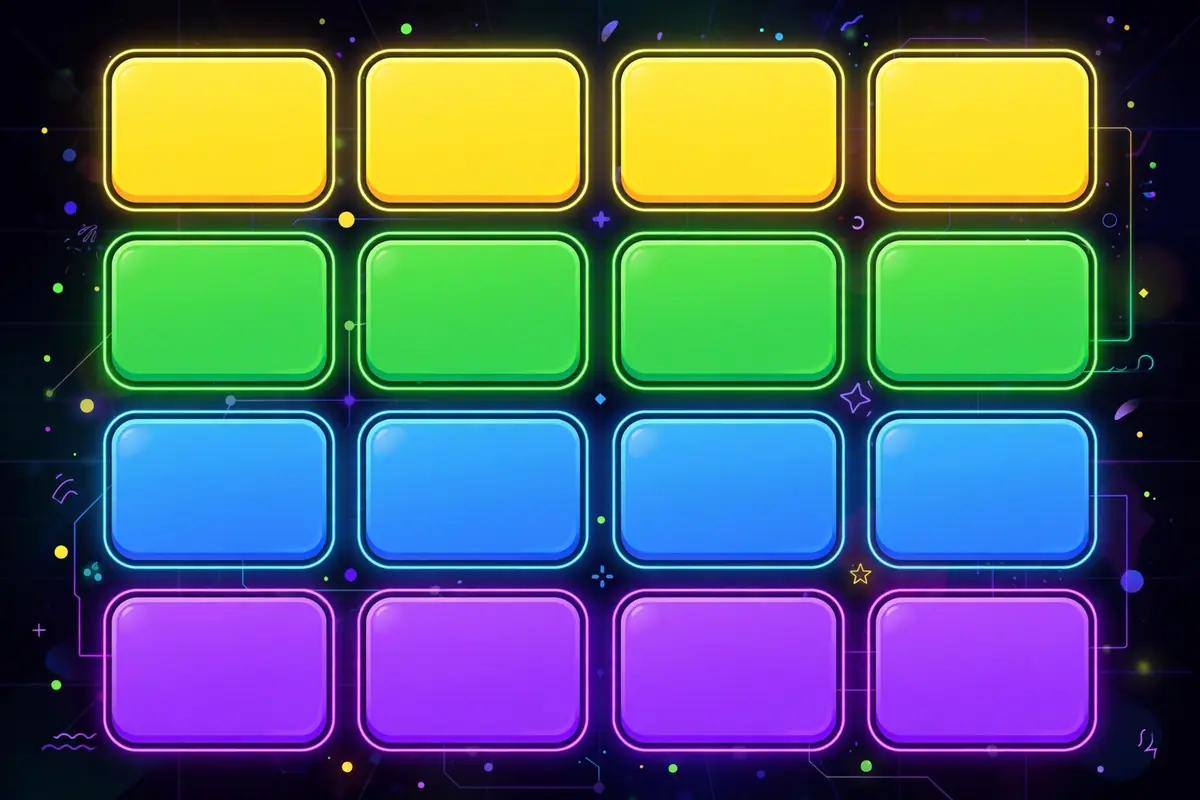
Group 16 words into 4 sets of 4 by their hidden connection. Yellow is easiest, then green, blue, and purple is the trickiest. You get 4 mistakes, and watch out for red herrings: words that almost fit two groups.
Connections gives you sixteen words and one job: sort them into four groups of four, where each group shares something in common. The catch is that the connection is never spelled out, and several words are designed to mislead you. Maybe APPLE sits next to BANANA and you think fruit, but the real group is things with cores, and BANANA was the trap. You get four mistakes before the game ends, so every guess should be a confident one. Our daily Connections hints help you find the thread without handing you the answer.
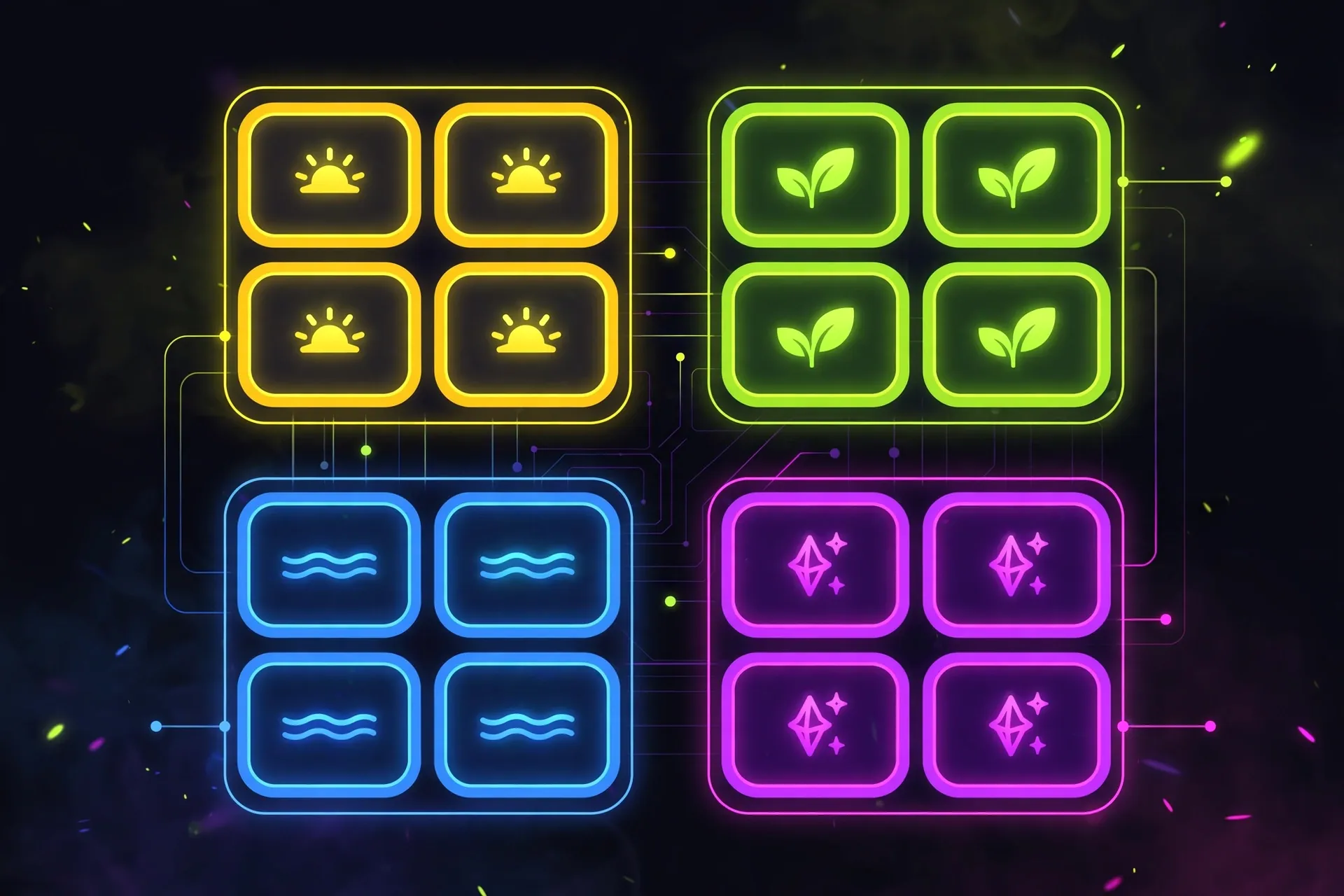
Every puzzle ranks its groups by color. Yellow is the most straightforward, the kind of group most players spot quickly, like types of dogs or things you plug in. Green is a small step up. Blue asks for real thinking, often wordplay or a less obvious shared trait. Purple is the trickiest by design and usually hides behind puns, anagrams, or categories that only click once you see them. Knowing the difficulty order is a strategy in itself: lock in yellow and green first, then spend your careful guesses on blue and purple with fewer words left to confuse you.
Start by scanning for the obvious. Four words that clearly belong together are usually the yellow group, so grab that win early and shrink the board. Next, look for words with double meanings and set them aside mentally, because they are the traps the puzzle maker planted. Say the remaining words out loud, since many Connections answers are about how words sound or what they pair with, not what they mean. When you think you have a group, pause and ask if any word in it could fit somewhere else. If the answer is yes, you have not found the group yet.
Purple is where streaks go to die, because it almost never means what it first appears to mean. Classic purple tricks include words that form phrases with a missing word, like kinds of bars, or sets built on wordplay such as homophones and anagrams. When only eight words remain and nothing fits, stop forcing literal meanings and start hunting for the joke. Read our blog for deep dives into purple category tactics, including the famous traps that repeat in disguise. Cracking purple regularly is what separates good players from great ones.
Every Connections board plants red herrings, words that seem to belong to an obvious group but actually belong elsewhere. The defense is simple: never submit a group until you can name what the other twelve words might form. If three words scream sports and the fourth is a stretch, the fourth is probably the trap. Shuffle the board to break visual habits, and try solving the groups in a different order than you first noticed them. Traps lose their power the moment you expect them.
Four mistakes end the run, so a hint is cheaper than a wrong guess. If you have two possible groups and cannot decide, peek at a category hint for one of them instead of gambling. Good hint habits look like this: solve what you know, use hints on what you half know, and save the full answers for the days when the purple group is simply unfair. You keep the satisfaction of solving most of the board yourself, and your perfect game rate climbs because you stopped donating guesses to traps.
Connections rewards pattern memory. Players who solve daily start recognizing the puzzle maker’s favorite tricks, from homophones to category pairs that show up in disguise. Bookmark this page, check our fresh Connections hints every morning, and watch the purple group stop feeling impossible. It never truly gets easy, and that is exactly why winning feels so good.
The hidden skill in Connections is not logic, it is vocabulary breadth. The more phrases, slang, brand names, and wordplay patterns you know, the faster groups reveal themselves. You can train this deliberately: when a puzzle stumps you, study the full answers afterward and write down the connection you missed. Over weeks, you will build a mental library of the puzzle maker’s favorite devices, from “things that follow fire” to hidden animals inside longer words. Players who review their misses improve far faster than players who just move on. Treat every lost game as a lesson, and the wins start stacking up.
And when friends ask how you got so good, just smile and send them here. Before long you will spot the yellow group in seconds and save all your brainpower for the glorious purple hunt.
Group sixteen words into four sets of four that share a hidden connection. You get four mistakes, and groups are ranked yellow, green, blue, purple from easiest to hardest.
Yellow is the easiest group, then green, then blue, with purple as the trickiest. Solve yellow and green first to shrink the board before tackling the hard ones.
Purple is the hardest group and usually involves wordplay like puns, anagrams, or hidden phrases. It rarely means what it first appears to mean.
Four. Your fourth wrong guess ends the game, so only submit groups you feel confident about and use hints instead of gambling.
Right here on this page. We publish fresh daily Connections hints, from gentle category nudges to full answers, every morning.
Trap words planted to mislead you into a wrong group. If a word could fit two groups, slow down and test both before submitting.
The official archive is limited, but you can replay the logic any day by studying past patterns. Our hints cover each new daily puzzle.
There is no true solver since the categories are creative, but our hints plus the strategies on this page are the next best thing.
Study wordplay patterns: homophones, anagrams, and phrases missing a common word. Our blog guides break down real purple examples.
No. All hints are written in our own words and the site is fully independent.