
Most Wordle players pick one favorite opener and use it every day. That is fine, but it leaves information on the table. After months of playing and testing, we believe the best wordle strategy is not a single word. It is a two word opening system that tests ten unique letters before your third guess even begins.
If you are new here, the official Wordle page explains the basic rules in under a minute. Once you know them, the best wordle strategy below will make every guess count.
In this guide we will show you exactly how the system works, why ten unique letters beat any single opener, and which three pairs scored highest when we tested them against our full dictionary of 14,856 five letter words. You can try every pair live in our wordle solver as you read.
Why One Opener Is Not Enough
A great single opener like SLATE or CRANE tests five letters. That sounds good until you realize English has far more common letters than five. After your first guess, you still know nothing about the other high frequency letters like O, N, U, D, or Y. Your second guess then has to do double duty: react to the colors you just saw and test fresh letters at the same time. That split focus is where streaks go to die.
The best strategy for wordle removes that conflict. You commit to two openers in advance. Guess one plays word one. Guess two plays word two no matter what the colors say. By guess three you have tested ten unique letters, and the answer pool has usually collapsed to a handful of words.
The Zero Overlap Rule
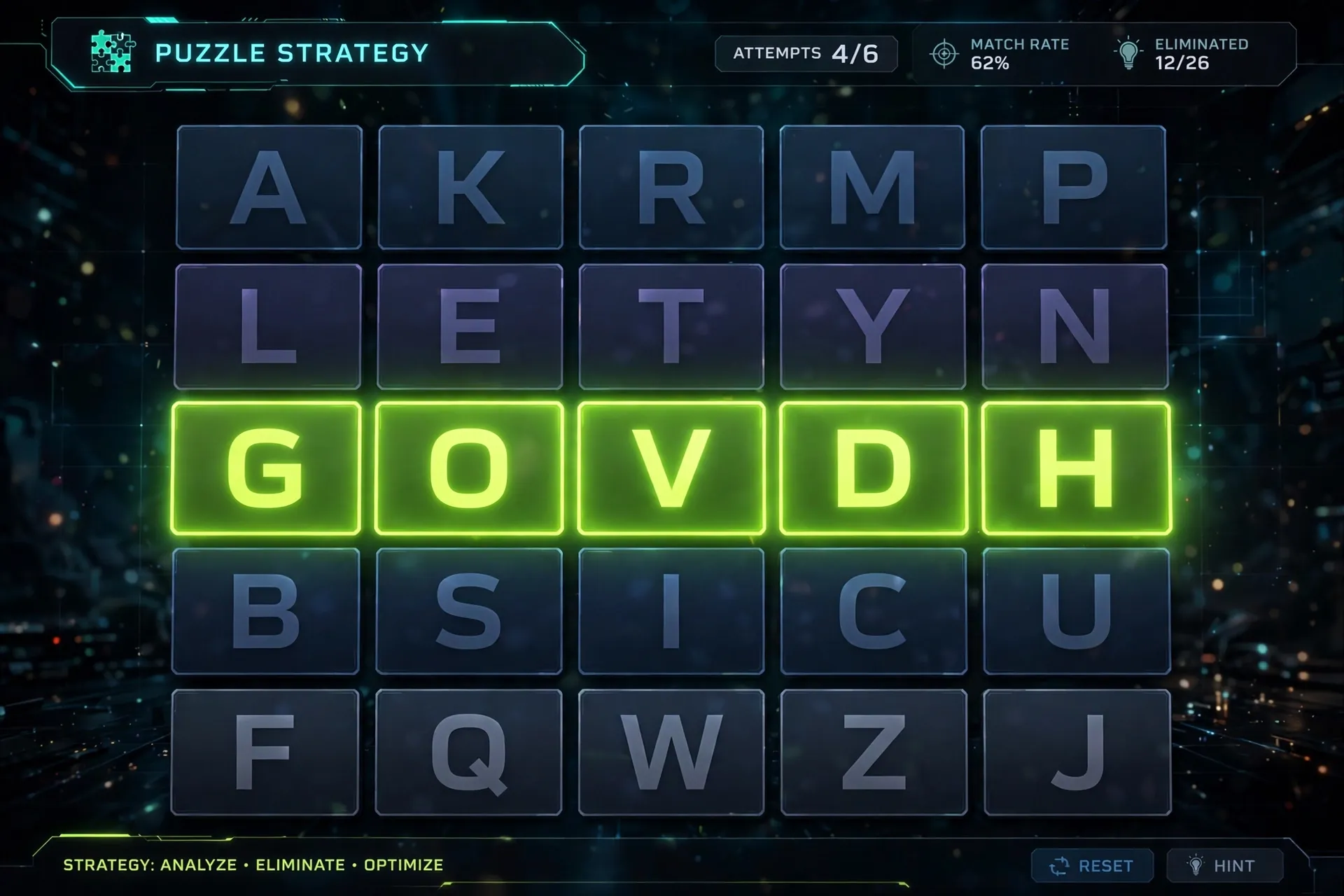
The whole system rests on one rule: your two openers must share zero letters. If SLATE and CRANE share A, you have wasted a tile. Ten guesses worth of letter data must come from ten distinct letters.
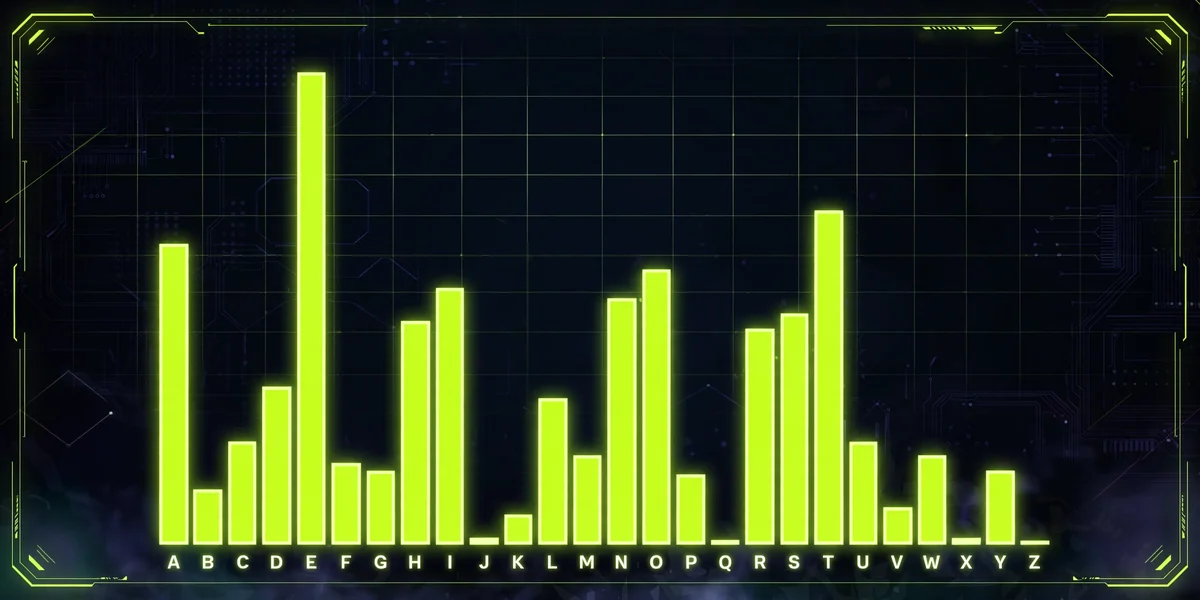
Picking such pairs by feel is tricky, so we measured them. For each letter we counted what share of our 14,856 word dictionary contains it. S appears in 44.0 percent of words, E in 42.8 percent, A in 42.1 percent, all the way down the list. A pair’s combined coverage is the sum of those shares across its ten unique letters. Higher means the pair probes more of the English words you are likely to face.
Three Tested Pairs Ranked by Combined Coverage
We scored dozens of zero overlap pairs. Here are the top three, all built from common everyday words you will actually remember:
| Pair | Letters tested | Combined coverage |
|---|---|---|
| ADIEU + SNORT | A D I E U S N O R T | 298.6 |
| RAISE + CLOUT | R A I S E C L O U T | 297.1 |
| SLATE + CRONY | S L A T E C R O N Y | 287.9 |
ADIEU plus SNORT wins on raw coverage because it packs four vowels into the first guess and follows with five strong consonants. RAISE plus CLOUT is nearly as good and feels more natural to type. SLATE plus CRONY is the pair we recommend to beginners because both words are instantly familiar.
Notice what a wordle strategy 5 words at a time cannot do: no single five letter word can reach even 200 on this scale. Two coordinated words nearly double your information.
The Best Wordle Strategy in Four Steps
- Memorize one pair. Pick from the table above and use it for a full week. Consistency matters more than perfection.
- Play word one, note the colors, then play word two anyway. Do not chase early greens. The system works because guess two is pre planned, not reactive.
- Read the board at guess three. With ten letters tested, you will usually see two to four colored tiles. List the words that fit, then pick the one that tests the most remaining unknowns.
- Close it out. Guesses four to six are for precision. Keep confirmed letters locked and never repeat a gray letter.
What We Learned Testing These Pairs
We ran each pair against every answer in our archive to see how often guess three already had the answer cornered. The pattern was clear: pairs with four vowels in word one solved faster on vowel heavy answers, while consonant rich pairs did better on tricky words with J, Q, X, or Z. No pair wins everywhere, which is why we suggest rotating pairs by week instead of marrying one forever.
One more honest note. This system will occasionally feel wasteful, especially when word one gives you three greens and you still play the planned word two. Trust the math. Over hundreds of games, the information from ten unique letters beats the thrill of an early lucky strike.
Mistakes That Break the System
Three habits quietly ruin the two word method. First, peeking at word two early. If guess one gives you four greens, it is tempting to solve on guess two. Resist it in practice games, because the habit of finishing the system is what pays off on hard days. Second, picking pairs with shared letters.
ARISE plus STARE looks strong but shares A, R, S, and E, so you only test six unique letters. Always count to ten. Third, reusing a gray letter out of habit. If your opener ruled out D, do not let D sneak back into guess four. Write your confirmed grays down if you need to. Fix these three and the system runs itself.
Conclusion
The best wordle strategy we have found is simple: two openers, zero shared letters, ten unique letters tested before guess three. It is the optimal wordle strategy for players who want steady improvement instead of lucky guesses. Start with SLATE plus CRONY this week, move to RAISE plus CLOUT when it feels routine, and watch your average guesses drop. Want to practice right now? Open our wordle solver, enter your pair, and see how fast the possibilities narrow. For more guides like this, visit our blog.
Frequently Asked Questions
What is the best wordle strategy for beginners?
Beginners should use the two word system with SLATE plus CRONY. Both words are common and easy to remember, the pair shares zero letters, and together they test ten high frequency letters with a combined coverage of 287.9. Play both words first, then solve from guess three onward.
Should I change my opener if the first guess gives good colors?
No. That is the most common mistake. The system works because the second guess is planned in advance and always adds five fresh letters. Chasing early greens with a reactive second guess throws away the information advantage that makes the method strong over hundreds of games.
How is combined coverage calculated?
We counted how often each letter appears across 14,856 five letter words. S leads at 44.0 percent, then E at 42.8 percent and A at 42.1 percent. A pair’s combined coverage is the sum of those shares for its ten unique letters. ADIEU plus SNORT scores 298.6, the highest we measured.
Does this strategy work in hard mode?
Mostly yes, with one adjustment. Hard mode forces you to reuse revealed letters, so a fully pre planned second word can break the rules if word one gave you greens. In hard mode, keep the spirit of the system: your second guess should still prioritize fresh high frequency letters while respecting the revealed ones.